
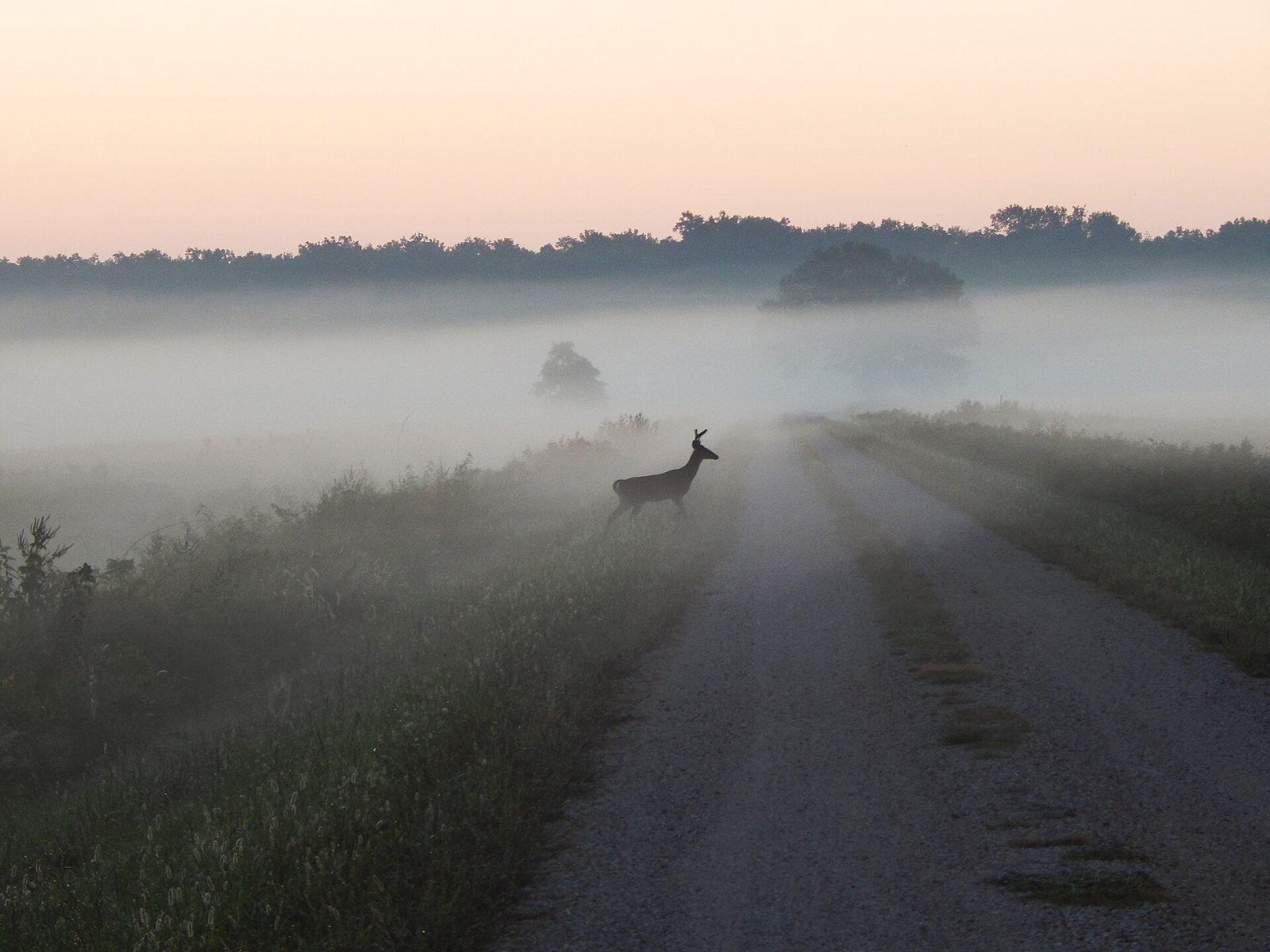
November is when East Texas roads get busiest with deer. Hunting season is underway, the fall rut has bucks on the move, and shorter days put more of our commutes in the dark at exactly the hours deer are most active. A collision with a deer can total a car, and when a driver swerves to avoid one, it can turn into something far worse. Here is how to keep your family safe on the road this season.
Why Deer Are So Active Right Now
- There are a lot of them. TxDOT notes that Texas is home to more than 5 million white-tailed deer, found in 252 of the state's 254 counties (TxDOT).
- The rut runs October through December. According to the Texas A&M Natural Resources Institute, collision rates often track closely with the rut, especially in November (Texas A&M NRI).
- Timing works against us. Deer move most in the early morning, at dusk and at night. After the switch back to standard time, many evening commutes now happen in that window.
- The stakes are real. Texas A&M NRI cites roughly 1.5 million deer-related vehicle crashes nationwide each year, about 200 deaths, and repair bills averaging around $4,000.
Where to Be Most Careful in East Texas
Deer can show up anywhere, including in town, but be especially alert on:
- Two-lane farm-to-market and state highways that cut through pine forest and pasture, where the tree line comes close to the road
- Roads near creeks, river bottoms and lakes, which deer follow as travel corridors
- Edges of town, such as the outer stretches of Loop 323 in Tyler or Loop 281 in Longview, where neighborhoods meet woods and fields
- Any spot with a yellow deer-crossing sign. Those signs mark places where crossings are common.
Driving Habits That Prevent Deer Crashes
- Slow down at dawn, dusk and after dark. A few miles per hour gives you more time to stop.
- Use your high beams when you can. High beams light up deer eyes sooner. Texas law requires you to dim them within 500 feet of an oncoming vehicle and within 300 feet when following another vehicle (Tex. Transp. Code §547.333).
- Scan the shoulders, not just the lane. Look for movement and the glow of eyes along the ditch and tree line.
- Expect more than one. Deer rarely travel alone. If one crosses, slow down and watch for others following.
- Brake firmly and stay in your lane. TxDOT advises braking firmly rather than swerving when no traffic is close behind you. Swerving can send a vehicle into oncoming traffic, a tree or a ditch, which is often more dangerous than the deer itself.
- Buckle up every time. Seat belts protect you if a sudden stop or impact does happen.
Motorcyclists: Take Extra Care
A deer strike is especially dangerous on a motorcycle. During the fall, consider limiting rides at dawn and dusk on rural roads, slow down where woods meet the road, and wear full protective gear, including a helmet.
If You Hit a Deer
- Get to a safe spot. Pull onto the shoulder if you can, turn on your hazard lights and stay in your vehicle if you are on a busy road.
- Call for help. Call 911 if anyone is hurt or the vehicle or animal is blocking traffic.
- Leave the animal alone. TxDOT warns drivers not to touch a deer that has been struck. An injured deer can kick and cause serious harm.
- Document everything. Take photos of your vehicle, the road and the location, and get a report from the responding officer if one is made. These are useful for insurance.
- Get checked out. Some injuries, like whiplash or concussions, are not obvious right away.
Damage from hitting a deer is usually handled through the comprehensive part of an auto policy, if you carry it. But when a crash happens because another driver swerved, followed too closely or was not paying attention, the situation can be different. Our guide on what to do after hitting a deer in Texas walks through who may be responsible.
A little extra patience on dark East Texas roads this fall can make sure everyone gets home safely.
More information: Hit a deer car accident · Auto safety tips · More safety tips
