
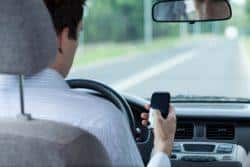
A cell phone is one of the best safety tools you can carry. It lets you call 911 from the side of the road, get directions and let family know you made it. Behind the wheel, it is also one of the most dangerous distractions there is. Looking down for just five seconds at 55 mph means driving the length of a football field without seeing the road. Here's what Texas law says, and some simple ways to keep the phone from becoming a hazard.
What Texas Law Says
- No texting while driving, statewide. Since 2017, Texas law has prohibited reading, writing or sending an electronic message on a handheld device while driving, unless the vehicle is stopped. A first offense carries a fine of $25 to $99, and repeat offenses $100 to $200.
- Tougher penalties if someone is hurt. If texting while driving causes a death or serious injury, the driver can be charged with a Class A misdemeanor, punishable by a fine of up to $4,000 and up to a year in jail.
- Hands-free in school zones. Drivers may not use a handheld phone, for calls or texts, in an active school crossing zone unless the vehicle is stopped or they're using a hands-free device.
- Drivers under 18: no phone use at all. Teen drivers may not use a wireless device for any purpose while driving, even hands-free, except in an emergency.
- What's allowed: using GPS navigation, playing music, using a hands-free device, and reporting an emergency or illegal activity. Some cities also have their own stricter hands-free ordinances, so watch for posted signs.
Habits That Help
- Turn on Driving Focus or Do Not Disturb While Driving. Both iPhone and Android can silence notifications automatically when you're driving and send an auto-reply.
- Set it before you go. Start your navigation, playlist or podcast before you put the car in gear.
- Out of reach, out of mind. Put the phone in the console, glove box or back seat. If you can't reach it, you won't be tempted.
- Use a passenger. Let someone else navigate, answer texts or make the call.
- Pull over. If something really can't wait, find a safe place to stop first.
- Lead by example. Teen drivers learn as much from watching their parents as from driver's ed. Make a family rule that the phone stays down for everyone.
Don't Text Someone You Know Is Driving
If you know a friend, spouse or teenager is on the road, wait. A message that can't wait is a phone call that can go to voicemail until they're parked.
If a Distracted Driver Hits You
Call 911, get medical care, and ask the officer to note anything you saw, such as the other driver holding a phone. Write down the names of any witnesses. Phone records can later show whether a driver was texting or on a call at the time of a crash. There is no need to make any decisions right away.
More information: car accidents in Tyler, truck accidents and more safety tips.
